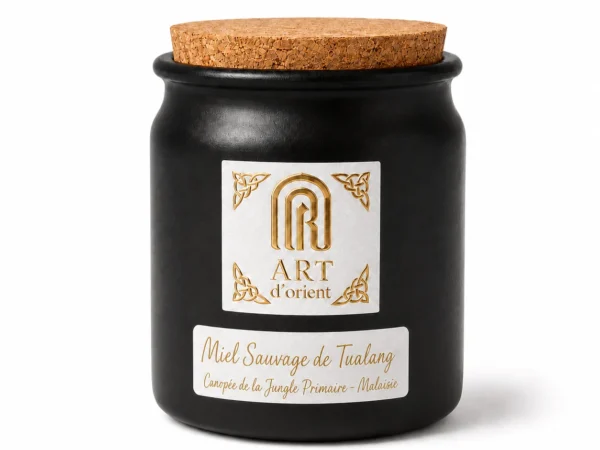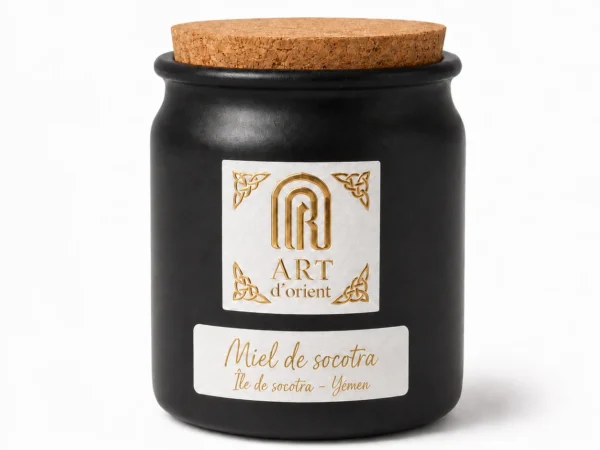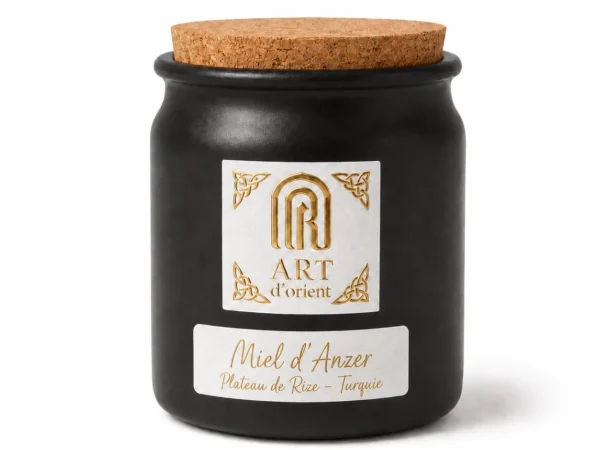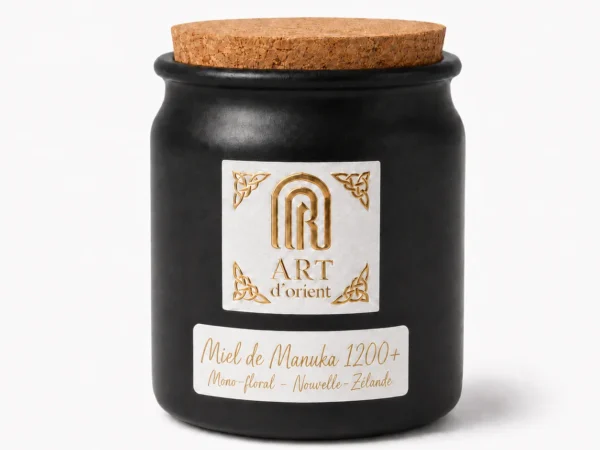
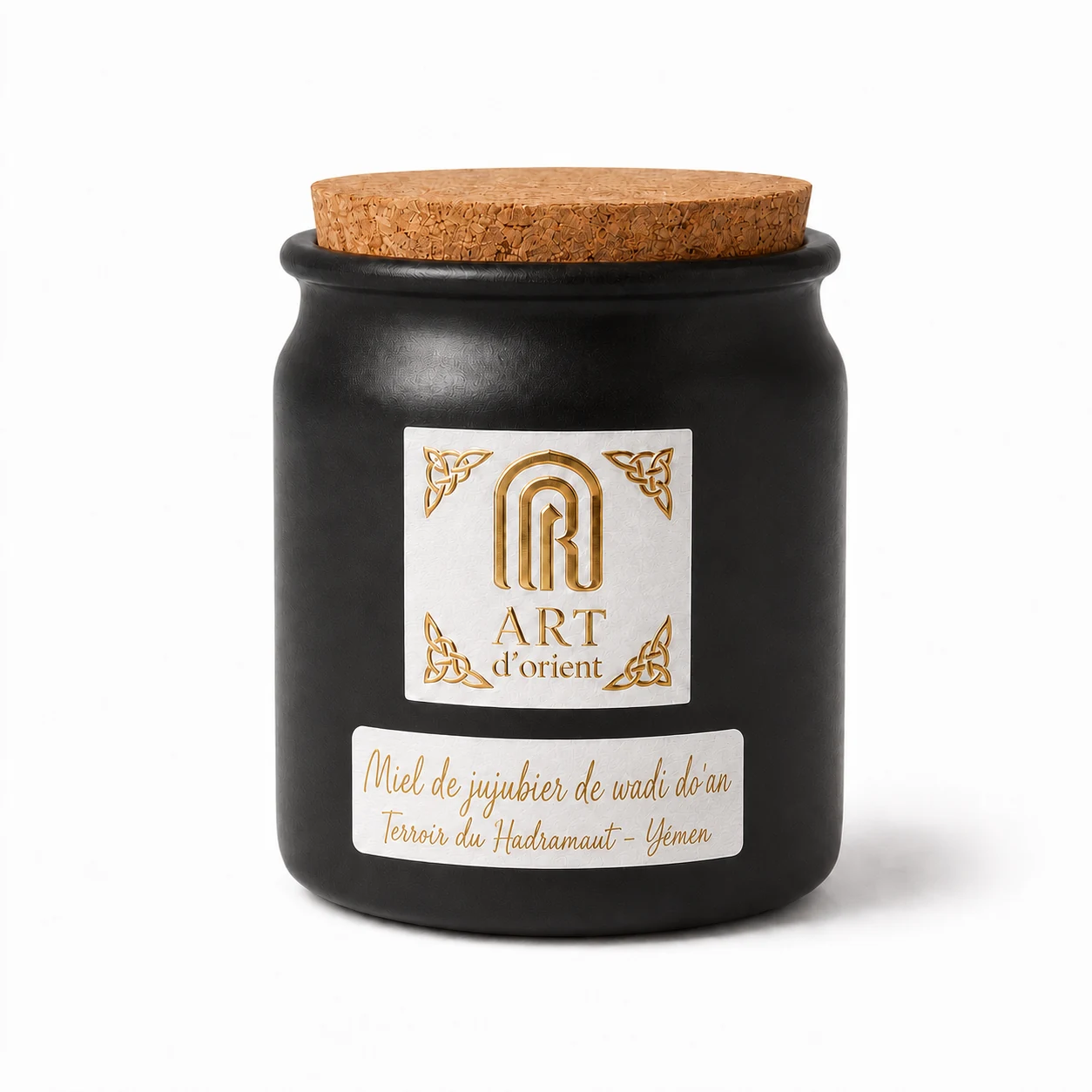
Royal Jujube Honey from Yemen | Sidr Malaki Grade • Hadramawt Origin
A molecular structure with high enzymatic activity: a monofloral honey from the Ziziphus spina-christi tree, marked by a basic pH and a high concentration of minerals.
Location and Growing Variables
Biotope
Harvested in the arid valleys of Hadramawt, in the south of the Arabian peninsula. The jujube trees (Sidr) grow on desert, mineral soils under conditions of extreme thermal stress. These environmental factors compel the plant to concentrate its secondary metabolites in the nectar.
Harvest
Extraction limited to a short annual flowering period of 40 days (October-November). The beekeepers use traditional nomadic methods, with no artificial feeding of the bees with sugar syrup, ensuring a nectar purity of 90% to 95%.
Technical Data and Processing
Cold artisan extraction. The honey undergoes no pressure filtration and no thermal treatment, preserving the integrity of the proteins and inhibines (natural hydrogen peroxide).
A high content of polyphenols, flavonoids and trace elements (calcium, iron, magnesium). Its structure is distinguished by a natural resistance to oxidation above the average of polyfloral honeys.
It shows a very high viscosity and a low water content (often < 16%), which inhibits any fermentation and ensures a prolonged bacteriological stability.
Organoleptic Characteristics
-
MouthfeelA dense, thick and unctuous texture. The attack is marked by a velvet softness, evolving towards a woody depth with no residual acidity.
-
Aromatic SpectrumA profile dominated by top notes of butterscotch and fresh hazelnut. The heart reveals balsamic and resinous nuances, with a long, balanced aromatic persistence.
-
Marks of PurityAn amber-gold colour turning reddish with time. Crystallisation is extremely slow, remaining liquid or creamy for several years.
Parameters of Use and Storage
Application: Long prized in the traditions of its region. A daily spoonful, savoured on its own, is the traditional way to enjoy it.
Protocol: To preserve the enzymes at their best, it is advised not to mix it into liquids above 35 °C.
Storage: Store in a glass container away from direct light, in a dry place at room temperature (20 °C-25 °C). It continues to mature in the jar, developing darker aromatic notes over time.