Tualang Honey from Malaysia | Wild Apis dorsata Honey • Primary rainforest, Malaysia
Apis dorsata: an artisan hand collection on Tualang trees, with no thermal treatment.
Location and Growing Variables
Biotope
A biological quest at the top of the equatorial canopy: this wild honey comes exclusively from the primary rainforest of Malaysia, one of the oldest and most preserved ecosystems on the planet. Its harvest is a technical challenge of the first order: it sits at the heart of the giant hives built by the Asian giant bee (Apis dorsata) on the horizontal branches of Koompassia excelsa, the Tualang tree. These giants of the canopy rise more than 80 meters. To collect this precious liquid, local honey hunters climb the smooth trunks by hand at nightfall — a singular discipline of wild beekeeping that severely limits the volumes gathered each year.
Harvest
The molecular density of a raw, unaltered wild honey: what distinguishes this honey is its biochemical richness, drawn from the foraging of thousands of wild plants, lianas and tropical trees unique to the primary forest. This lot undergoes no pasteurization, no industrial heating and no fine pressure filtration. This absolute respect for the raw product preserves the entirety of the giant bee's enzymes, the wild yeasts and the high concentration of phenolic compounds and flavonoids.
Packaging
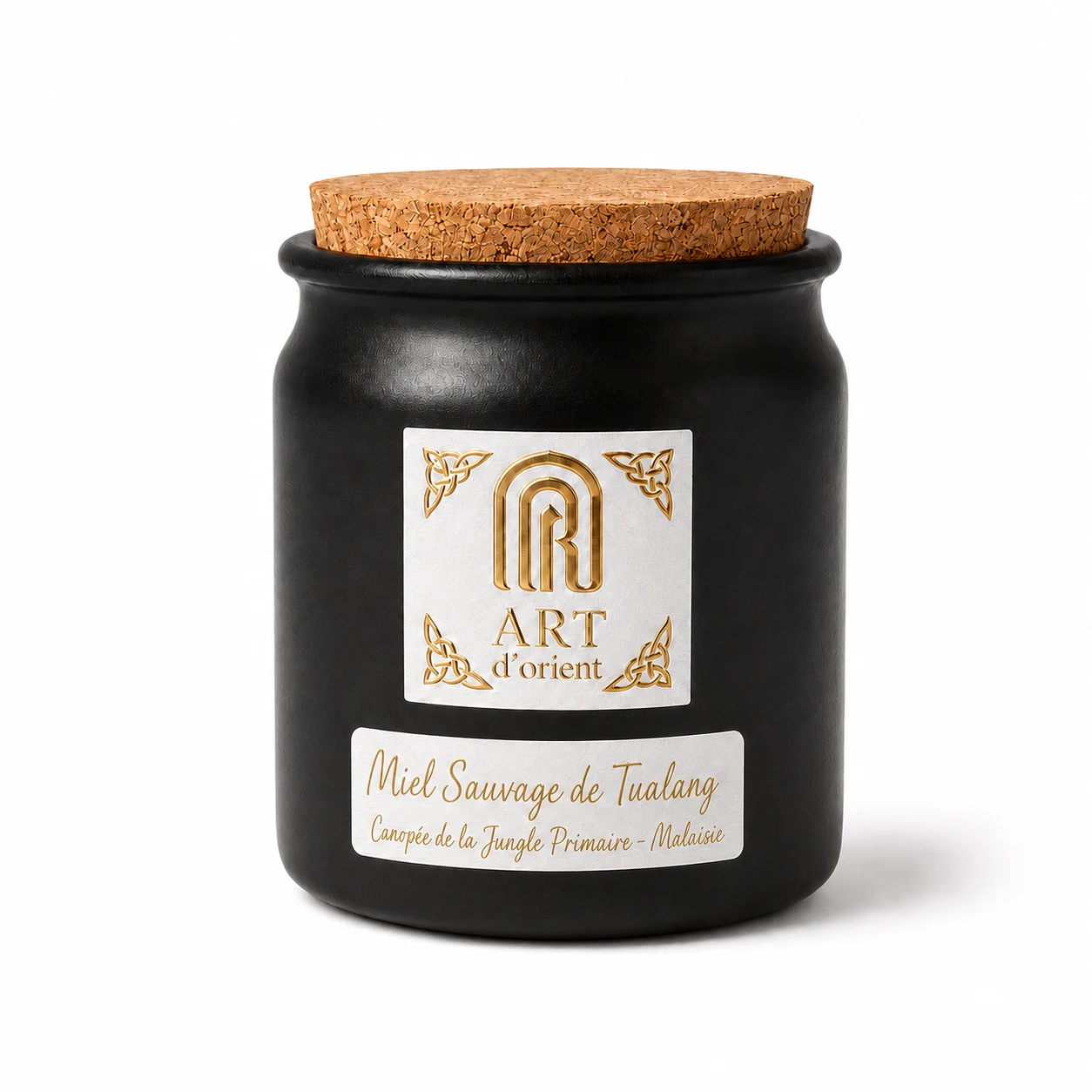
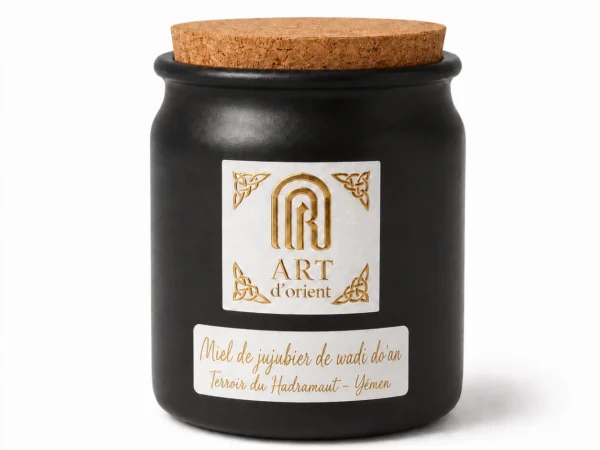
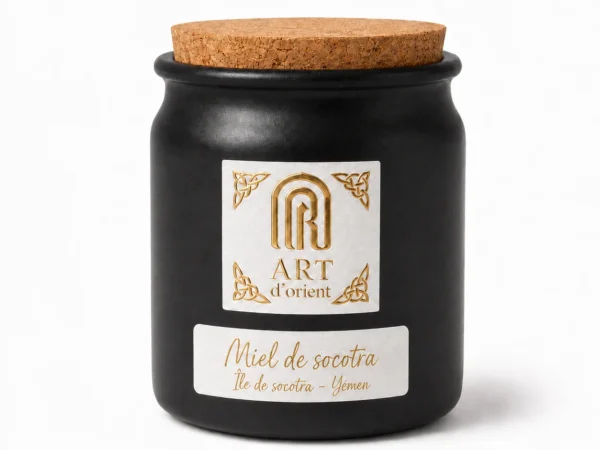
A protective stoneware vessel: to preserve the active enzymes and the delicate molecular structure of this great equatorial cru, the honey is packed in an artisan stoneware jar of 100 g. This noble, entirely opaque material acts as an absolute shield against heat and light. Unlike conventional clear glass, stoneware prevents ultraviolet rays from degrading the honey's natural peroxides and precious amino acids, keeping its original strength intact.
Tualang honey at a glance
Tualang honey is a wild honey made by the Asian giant honey bee (Apis dorsata), which builds its hives on the branches of Koompassia excelsa, a tree over 80 metres tall in the primary forest of Malaysia. It is harvested by hand, at night, by climbers. Our batch is sold raw, with no heating and no fine filtration, in a 100 g stoneware jar.
| Origin | Primary rainforest, Malaysia |
|---|---|
| Bee | Apis dorsata (Asian giant honey bee) |
| Tree | Koompassia excelsa (Tualang tree), over 80 m |
| Harvest | By hand, at night, by climbers |
| Processing | Not pasteurised, not heated, not pressure-filtered |
| Format | 100 g stoneware jar |
| Price | $228 per 100 g, i.e. $2,280 per kilo |
Product page updated 22 October 2026
Technical Data and Processing
Scientific Name
Wild Apis dorsata honey.
Principal Name
Tualang Honey from Malaysia.
Origin
Primary rainforest, Malaysia.
Type of Bee
Apis dorsata (the giant wild bee of Asia).
Harvesting Method
An artisan hand collection on Tualang trees (up to 80 meters high), with no thermal treatment.
Format
An artisan stoneware jar of 100 g (absolute protection against UV and temperature swings).
Organoleptic Characteristics
-
Appearance and Organoleptic ProfileA dark color, a deep brown-black with highlights of cooked caramel. A complex wild scent — woody, balsamic and lightly smoked. An intense mouth, sweet but persistent, with a very subtle bitterness on the finish.
-
Natural SignatureThese organic elements give the honey its characteristic almost black-brown color and a natural aromatic density measured among the highest in the beekeeping world.
Brewing Parameters
01
Pure tasting ritual: To enjoy the full richness of this jungle honey, take half a teaspoon neat in the morning on an empty stomach, or at the start of the day. Let the honey melt slowly under the tongue. Use only a spoon of wood, mother-of-pearl or ceramic, so as not to trigger metallic oxidation on contact with the organic acids of the product.
02
Use in fine herbalism: This honey is used raw only, to accompany your moments of quiet. It pairs with a warm infusion (never above 40 °C, so as not to destroy the heat-sensitive compounds) or may be drizzled delicately over a decocted slice of Reishi to balance its woody bitterness.
03
Storage recommendation: Keep your stoneware jar tightly closed in a temperate, perfectly dry place (between 18 °C and 25 °C). By its wild nature and raw purity, this honey has a high biological stability, but it must be kept away from changes in humidity to maintain its velvety texture.
Frequently asked questions about Tualang honey
What is Tualang honey?
It is a wild honey from the primary forest of Malaysia, made by the Asian giant honey bee (Apis dorsata) in hives hanging from the branches of the Tualang tree (Koompassia excelsa), more than 80 metres above the ground. It is dark brown to black, with a woody, balsamic and slightly smoky aroma.
Why is Tualang honey so expensive?
The hives sit more than 80 metres up, the harvest is done by hand and at night by climbers, and only small volumes are collected each year. Our 100 g jar costs $228, i.e. $2,280 per kilo.
What is the difference between Tualang honey and Manuka honey?
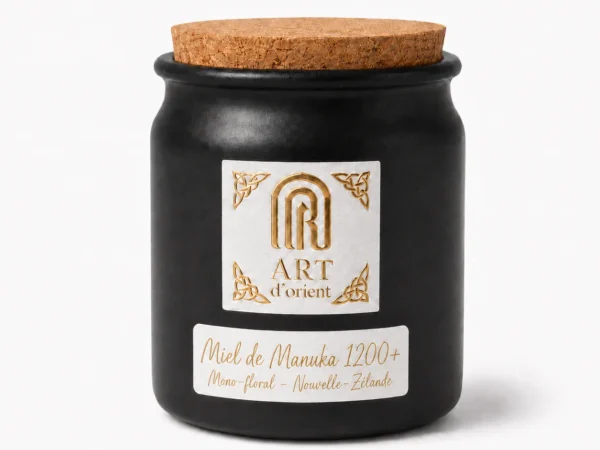
Tualang comes from a wild giant bee (Apis dorsata) that forages on thousands of plants in the Malaysian jungle. Manuka comes from the domestic honey bee (Apis mellifera) on a single New Zealand plant and is graded by its MGO index, like our Manuka honey 1200+.
Is Tualang honey heated or filtered?
No. This batch is neither pasteurised, nor industrially heated, nor pressure-filtered: it is sold raw.
How should you taste and store Tualang honey?
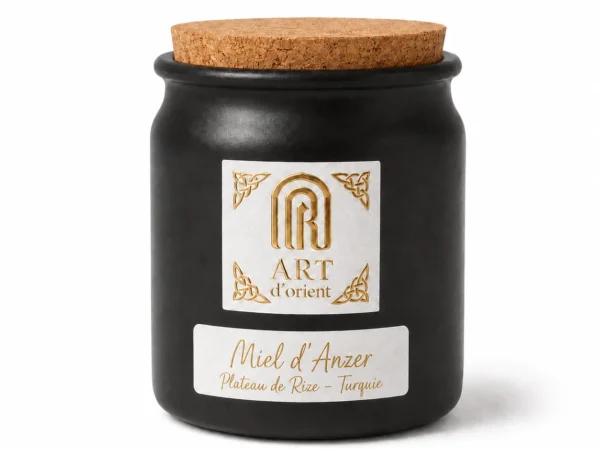
Half a teaspoon, pure and raw, with a wooden or ceramic spoon. Keep the stoneware jar tightly closed, somewhere dry between 18 and 25 °C. To compare with other rare honeys: Anzer honey, Socotra honey, Nepal mad honey.
Reviews
There are no reviews yet.